The Unplugged Revolution: A Deep Dive into Self-Powered Sensing Devices
We live in a world blanketed by the Internet of Things (IoT). From smart homes and wearable fitness trackers to vast industrial networks and smart cities, billions of tiny sensors are constantly collecting and transmitting data. But they all share a common, critical weakness: the battery. The need to periodically replace or recharge batteries is not just inconvenient; it's a massive logistical, economic, and environmental challenge. What if we could cut the cord entirely? Welcome to the world of self-powered sensing devices.

What Exactly Are Self-Powered Sensing Devices?
A self-powered sensing device, also known as an autonomous or zero-power sensor, is an electronic device that can operate indefinitely without a traditional battery or connection to a power grid. Instead, it powers itself by "harvesting" or "scavenging" small amounts of ambient energy from its immediate environment. It combines two key technologies: an energy harvester that converts environmental energy into electricity, and an ultra-low-power sensor and communication system that can operate on these minuscule amounts of power.
Think of it like a solar-powered calculator, but on a much more sophisticated and versatile scale. These devices are designed to be deployed and then forgotten, quietly doing their job for years or even decades without human intervention.
The Magic of Energy Harvesting: How They Power Themselves
The core innovation behind these devices lies in their ability to tap into various energy sources that are all around us. The method of harvesting depends on the device's location and application. Here are the most common types of energy harvesting:
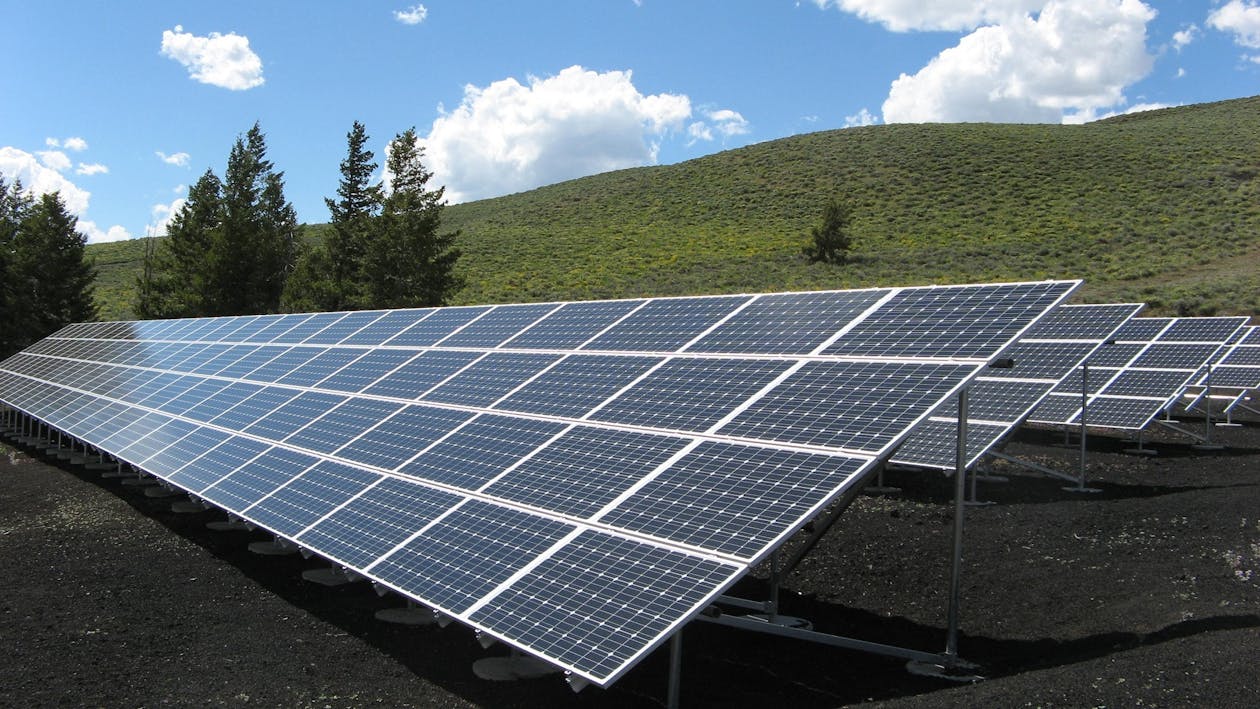
- Photovoltaic (Solar) Energy: This is the most well-known method. Tiny solar cells can capture energy from sunlight or even indoor ambient light to power a device. This is ideal for sensors placed outdoors or in well-lit indoor environments.
- Mechanical (Vibrational) Energy: Many environments are full of vibrations. Piezoelectric and triboelectric generators can convert mechanical stress, strain, and vibrations—from a humming industrial motor, a busy bridge, or even human movement—into electrical energy.
- Thermoelectric Energy: The thermoelectric effect (or Seebeck effect) generates a voltage when there is a temperature difference across a material. A thermoelectric generator (TEG) can create power from the temperature gradient between a hot pipe and the cool air, or even between a person's body heat and the surrounding environment.
- RF (Radio Frequency) Energy: We are surrounded by radio waves from Wi-Fi routers, mobile phone signals, and TV broadcasts. RF harvesters use a special antenna and rectifying circuit to capture and convert this electromagnetic energy into usable DC power. While the power generated is very small, it's often sufficient for simple, periodic sensor readings.
Why This is a Game-Changer: The Key Benefits
The shift towards self-powered sensors is not just an incremental improvement; it's a revolutionary leap with profound benefits:
- Massive Cost Reduction: The primary cost of a large-scale sensor network isn't the sensors themselves, but the labor and logistics involved in replacing thousands of batteries. Self-powered devices eliminate this maintenance cost entirely.
- Unprecedented Deployment Possibilities: Sensors can now be placed in locations that were previously impossible or impractical. Imagine embedding sensors directly into the concrete of a bridge during construction, placing them in remote pipelines, or deploying them in harsh industrial or environmental settings.
- Enhanced Sustainability: Eliminating batteries drastically reduces chemical waste and the environmental impact associated with their production and disposal. It's a cornerstone of creating a greener, more sustainable IoT.
- Improved Reliability and Longevity: Battery failure is a common point of failure in electronic devices. By removing this component, self-powered systems can offer significantly longer operational lifetimes and greater reliability.
Real-World Applications: Where We'll See Them
The potential applications are nearly limitless, spanning every major industry:
- Smart Infrastructure: Self-powered strain and vibration sensors embedded in bridges, buildings, and tunnels to monitor structural health in real-time for decades.
- Industrial IoT (IIoT): Vibration sensors on factory machinery powered by the machine's own vibrations, predicting maintenance needs before a breakdown occurs (predictive maintenance).
- Wearable Technology & Healthcare: Medical implants and wearable health monitors powered by body heat and motion, providing continuous data without the need for charging.
- Smart Agriculture: "Fit-and-forget" soil moisture and nutrient sensors scattered across vast farmlands, powered by solar energy, to optimize irrigation and fertilizer use.
- Environmental Monitoring: Autonomous sensor nodes deployed in remote forests, oceans, or volcanoes to track pollution, temperature, and seismic activity without disturbing the environment.
The Road Ahead: Challenges and Future Outlook
While the technology is incredibly promising, challenges remain. The primary hurdle is managing power. The energy harvested is often tiny and intermittent (e.g., no sun at night, no vibrations when a machine is off). This requires highly efficient energy storage solutions, like supercapacitors, and extremely power-frugal electronics that "sleep" most of the time, waking only to take a measurement and transmit data.
Despite these challenges, the trajectory is clear. As sensors become more efficient and energy harvesting technologies improve, the battery-less revolution will accelerate. Self-powered sensing devices are the key to unlocking a truly ubiquitous, intelligent, and sustainable connected world. They represent the final step in making our technology blend seamlessly and autonomously into the environment around us.